Sunday, April 10, 2011

Adolescent Dogs

Avoiding Behavior Problems
I often here clients say "my pup was such a good boy, but now that he is nearly 2, he doesn't listen"  Adolescent dogs may become more confident, begin to ignore you, become hyperactive, be increasingly shy with guests and even lose their social skills.  What can you do?  Here are a few ideas to help your well behaved pup breeze through the teenage years. 

Have you stopped rewarding good behavior?
Many of us become so busy with our lives, we incorrectly assume that when our pup is 9 or 10 months old and has finished Manners I we are done raising him.  Unfortunately, you are just getting started!  Have you begun to assume he knows all the rules of the house?  When was the last time you used a Lure/reward technique?  Have you continued to help him see guests and strangers as a source of good things?  Does he have polite greeting skills, or is he beginning to become rude because he hasn't practiced in a while.  Do you say "come", then close the door and allow him to continue sniffing?  If so, what does "come" mean to your dog?  

Behaviors that are not practiced will fade, in addition, bad behaviors that become routine are much harder to break.

Regular Play Sessions
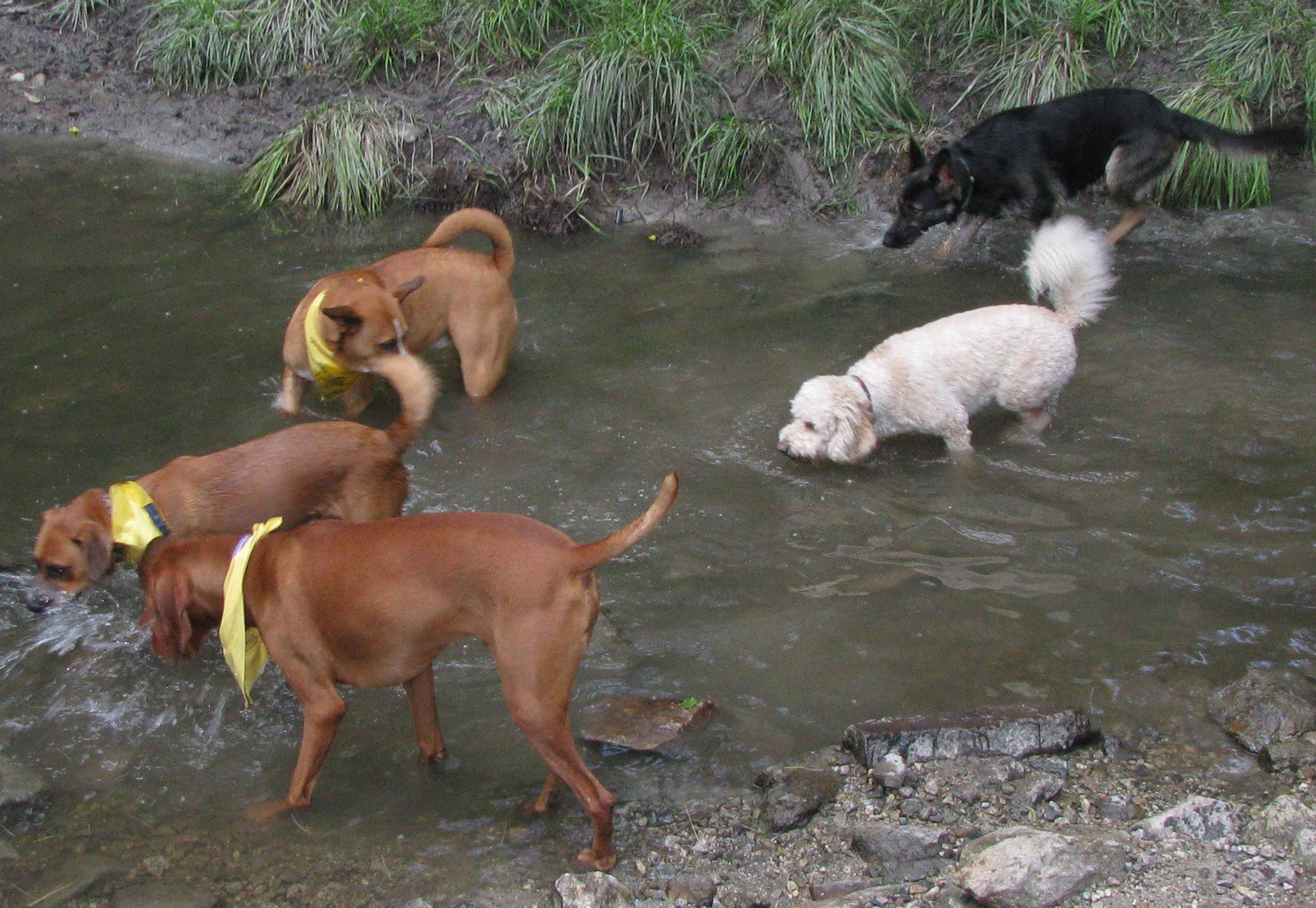
While it is not necessary for your dog to like every dog he meets, it is essential that your dog grows up to have good bite inhibition (soft mouth).  Offering your dog continued opportunities to play with a few friends each week is crucial to this development.  Continuing to hand feed and only reward when a soft mouth is used will help your dog mature with good bite inhibition.

Greeting Guests 
Many clients contact me with a similar concern: that their adolescent dog is become progressively desocialized toward unfamiliar people and strangers until eventually they become intolerant of all but a small inner circle of friends.  If your dog is beginning to shy away from guests, bark, lunge or nip at guests heels as they leave, consider taking extra steps towards positive associations with guests and strangers.  

Socialization, Socialization, Socialization
Socialization
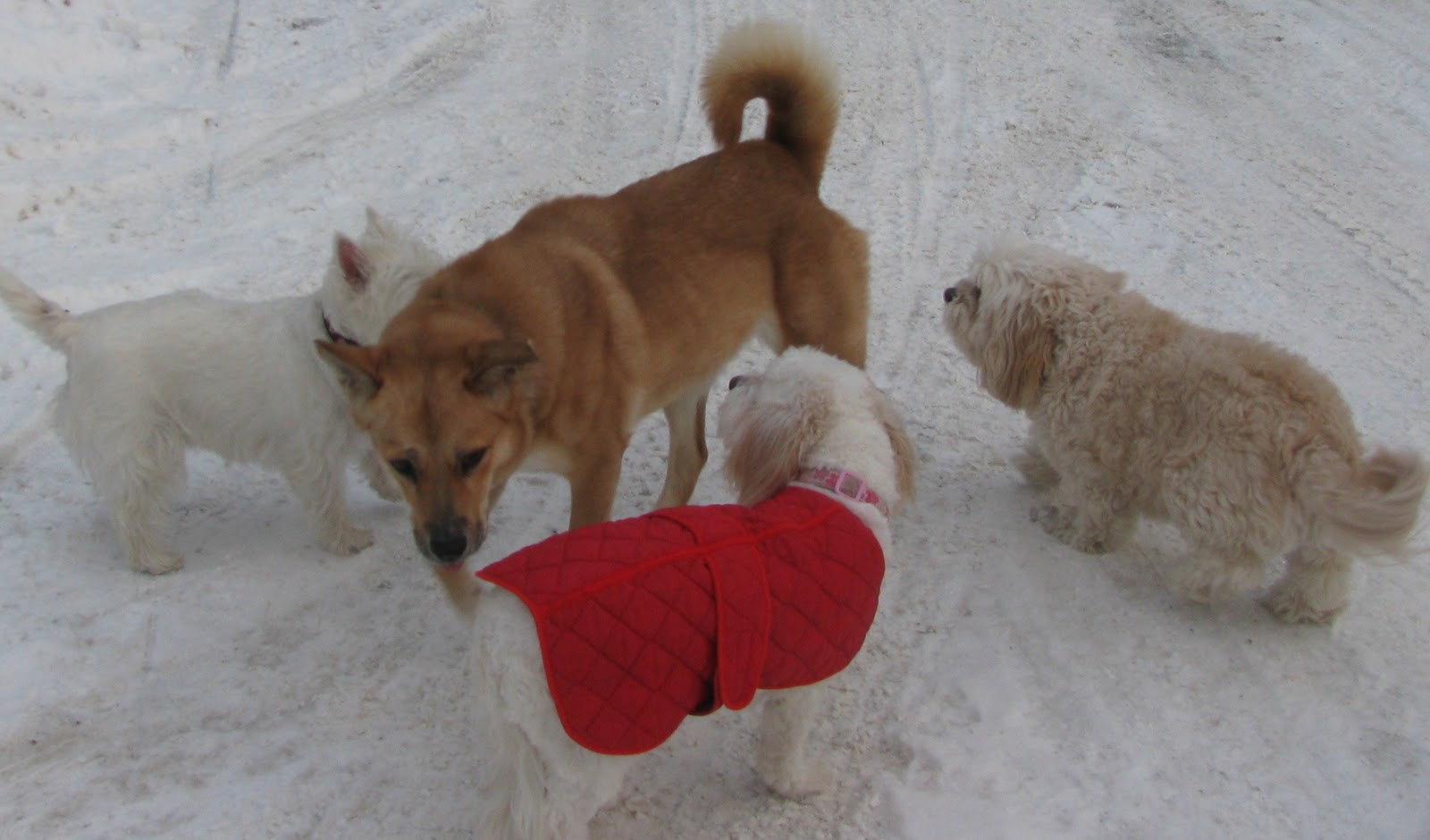
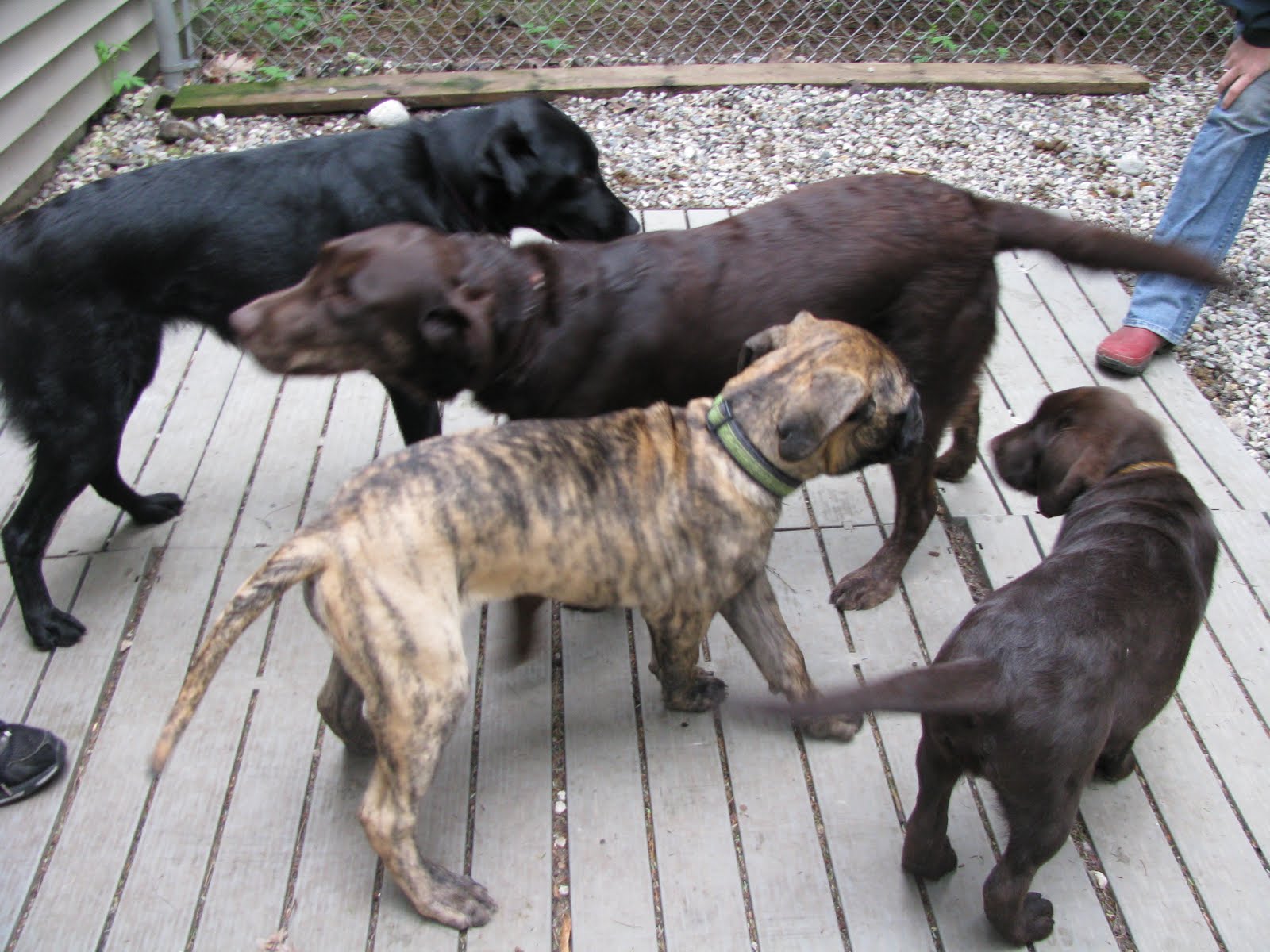
Puppy Socialization is extremely necessary for you to be able to continue socializing your adolescent dog; even into adulthood.  If you are not able to offer your young dog regular opportunities to meet new people and dogs, you may consider hiring a dog walker, take walks with friends who have calm dogs or spend time on the weekend walking the streets of Portland with a pocket full of treats.  You may need to have a party of some kind so you can have guests in your home and help your dog remember how to greet people politely. Consider taking a Canine Good Citizen Class with your young dog to keep their social skills a focus as he grows.  Young and old, all dogs need to practice their socialization skills.

Very similar to humans, dogs have their favorite friends and may want to avoid playing with dogs they have just met.  They may even snarl at a new acquaintance, yet, given time, these two may learn to trust and eventually play.  Although we hate to admit that our dog may have been in a few scuffles, it is somewhat natural for dogs to have physical altercations.  This is when owners begin to avoid all contact with other dogs and their socialization comes to a halt.  Now, the less your dog is socialized the more likely he loses his communication skills and the more likely he is to fight.

Avoid these behavior problems with continued use of Positive Training techniques and continued socialization with both new people, dogs and environments.  If you would like to do this with us, consider taking our Outdoor Adventure Class!

Friday, April 8, 2011

Great Small Dog Socialization Class!

Thanks to everyone who participated in last nights Small Dog Socialization Class at Tender Touch Veterinary Hospital last night.  What a success!

All the pups are showing improved social skills not only with each other and the older dogs, but with the humans as well.  Their continued socialization allows them to rebound from scary situations, read other dogs body language and is clearly evident in the more play that is going on during the class.

Annie
My old girl Annie was too tired for her normal walk this morning, she is happily sunning her self on the side walk and made it clear to me she had no intentions of going anywhere else.  She has always been a big part of helping young dogs learn better emotional control without any serious reprimands.  In fact she has been with me for 10 years, I adopted her from a Small Dog Rescue group when I lived in Michigan 10 years ago at the age of one.


So Glad to hear many of you are taking your pups with you many places, helping your dogs learn about their environments is a big part of socializing them.  Looking forward to seeing everyone soon!

Tuesday, April 5, 2011

Forming Habits

Did you notice your dog chose to potty on the deck, patio, or step with this latest snow storm or rainy day?  Many dog owners feel this setback in behavior with potty habits even in older dogs.  Rain is simply a negative reinforcer to some dogs, in other words, they want to avoid it, hence they potty as close to the door as possible.

What can you do?  Give your dog continued feedback so he will chose to make the right choice.  Is it that simple?  Often it is, because we know that those who have a support system to help change their behavior are far more likely to succeed.  So be your dog's support system and remind them when they go out the door to go to the designated area to potty, especially if it is raining.

Following with verbal praise for making the right choice is a great way to support your dog and increase the behavior you want.  Positive Reinforcers such as food and praise are essential to modify behavior and form new habits.

Monday, April 4, 2011

IAABC Conference - Life Changing

Many of you know I was in Rhode Island for the International Association of Animal Behavior Consultants Conference, and loved every minute of it!  

The IAABC conference was not only enjoyable, it was very educational!  It was fabulous to meet  many dog enthusiasts, but also professional horse, cat and bird trainers. The IAABC representatives were very friendly and wiling to share their knowledge to the conference attendees.

Victoria & Judy
IAABC 2011 conference 
I am excited to share with you the many Positive Behavior Modification methods our profession has not only identified but are scientifically proven to work on many different species.  Demonstrations included working with the fearful/anxious dog, the reactive dog, the best methods to obtain emotional control, why emotional trauma is more harmful than physical trauma, integrating dogs into the "cat" only house and much more!

Special Attendees included: Bob Bailey, Dr. Nick Dodman, Brenda Aloff, Victoria Stillwell, Karen Pryer and many more, were incredibly inspiring and leading edge on how behavior modification can be used on many species -- from dogs to humans -- as agreed by behaviorists and psychologists alike!

Did you know the first behavior modification methods used on the mentally handicapped were demonstrated by animal trainers using reinforcers and shaping methods?  The Breland's, Marion and Keller, as well as Bob Bailey and of course BF Skinner all had a hand in this program.

I am so looking forward to sharing new and fun positive techniques with you!

Tuesday, March 29, 2011

Update on Sheila my Foster Girl

Sheila is enjoying life in Maine, including the snow!  No need to put a sweater on this girl, her double coat keeps her warm and is super soft to touch.


She loves to be with people, yet can entertain herself with, sticks, bones and toys.  Check out the video below to see one happy girl!


I believe the months spent in the Florida Kill Shelter were stressful and filled with many barriers which created to Sheila's frustration.  She is now enjoying off leash runs in the woods, soft bedding, rugs to roll on and being rewarded for many behaviors.


Sheila meeting our neighbors.
Greeting new dogs is going very well, she has met more than 20 new dogs since her arrival with me and is becoming much better at initiating play in a slower manner.  She has also submitted to several dogs that came on too strong, one of which she did play with later.


She is a happy girl looking for a permanent place to call her own!