Tuesday, December 4, 2012

Learning How to Cope without Frustration

I find myself saying this to many clients, "your dog is barking because he is frustrated."  Many young pups and adolescent dogs become spoiled and then frustrated when they are not able to get to something or someone all the time.  You might think we could be discussing children, this emotion is very similar and difficult not to reward.

This behavior is apparent in many dog training classes, when an owner is playing with her dog using a toy, another dog will bark at them as if to say "I want that toy or I want to play too".  Motivating your dog to focus on you is a good place to start while in your own home where there are no distractions.

Leash Frustration
What about when a new dog enters the room?  Many dogs will bark and pull towards the new dog as if to say "I want to say hello."  If during the first 5 months of your puppies life you always let him pull you to new dogs you encounter, then your dog will be incredibly frustrated when you decide it is not a good idea to let him drag you around.  When a behavior has been rewarded repeatedly, then the reward is removed for the same behavior, frustration will certainly follow.

Picture a puppy that jumps on his owner then sits and is reward multiple times in his first few months of life.  When the puppy is about 45 lbs and is no longer rewarded for this jumping, the puppy will often jump higher or with more force, if this intense jumping does not work, then barking usually follows.  These puppies do not understand why their behavior suddenly is not working?  "I always get my owners attention by jumping and then get a cookie for sitting!"

Frustration enters the picture when punishment is applied or when he finds himself in a no win situation.  Asking any alternative behavior and rewarding it is so much better than just saying "no" which only increases the frustration.    Dogs can learn to cope with change and avoid frustration if they are rewarded for another behavior.

Helping your dog learn to live in a human world without becoming frustrated is a process, one that should begin the day you bring him home!


Friday, November 16, 2012

Puppy Play

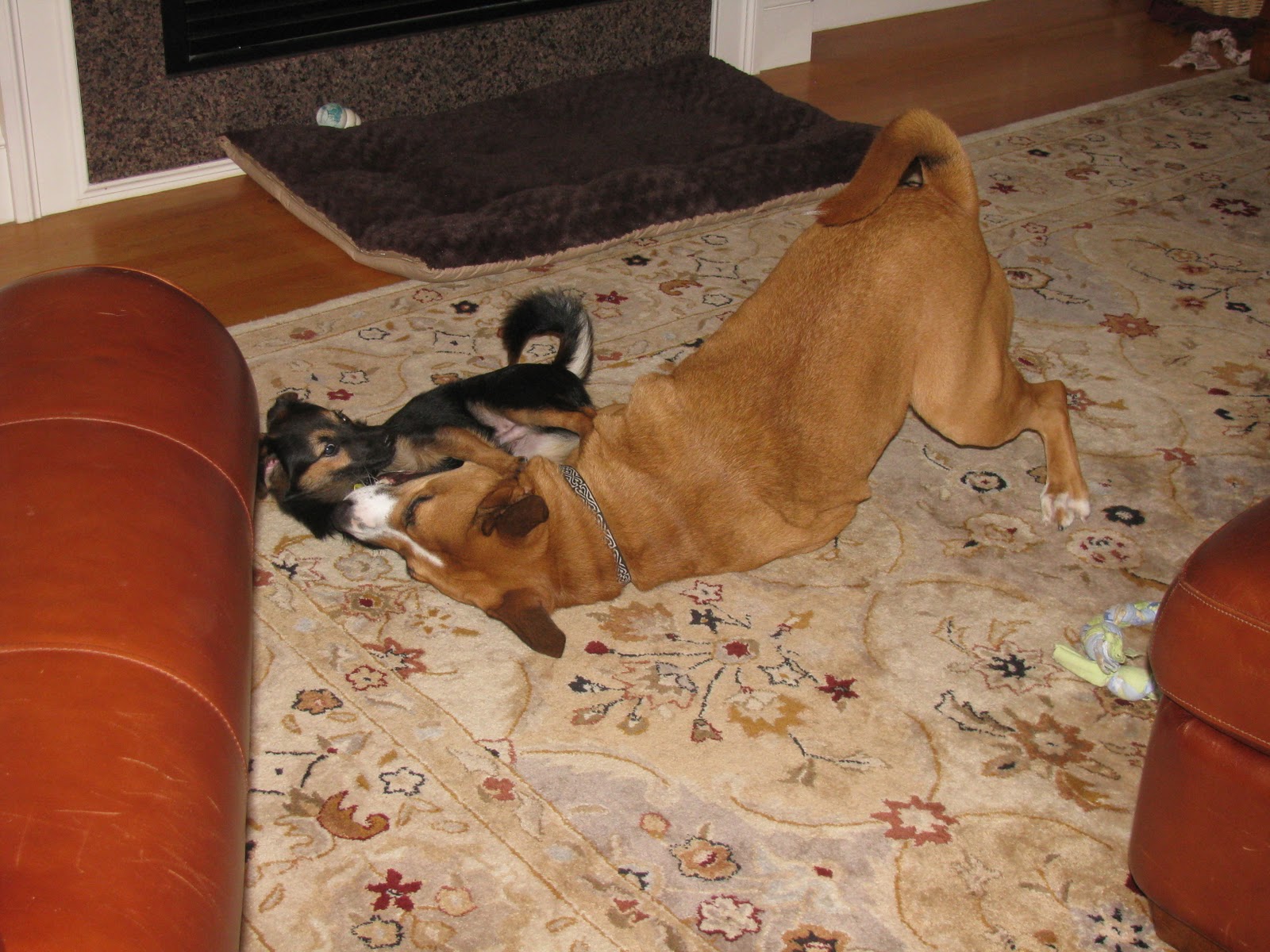
Baden gaining confidence in play.
While many of us watch dogs play, we often wonder if the dogs are having as much fun as we think.

I believe it is important that both dogs are chasing, being chased and sharing time on top equally.  If not, stepping in and creating pauses in the play will be beneficial to the less experienced dog.

When a play session is one sided, meaning one dog is constantly on top of the other, this is not equal play.  While you may not hear any growling, one dog may just be coping and not enjoying the play.

Try taking the collar or harness of the dog on top and gently pull him away.  Now, see what happens?  Does the dog on the bottom run away in need of a break?  Does he lunge or run back to the dog on top as if to say "come on, let's play"!  This simple test will give you confirmation that everyone is feeling okay about the interaction.

Baden a young pup playing with Pablo
Interrupting the play with short pauses will allow the dogs to lower their arousal and have a brief conversation about their intentions.  Watch as they look at each other or away, kiss faces, move closer or farther away.

In the photo to the right, Brady the 5 month old pup was a bit worried to play with a bigger adult dog.  Pablo began to "handicap" himself getting lower and lower to encourage Baden to play with him.  I asked Pablo to take many breaks as I could tell his type of play was a bit over whelming for Baden.

Before long these two were in constant motion and I was reassured each time I removed either dog, the other one came at us wanting more.  Knowing the play was fun for both dogs was a win win!

Monday, November 5, 2012

Canine Body Language Seminar


Mia greeting me with her back for safety.
Thank you to everyone who attended our Canine Body Language Seminar held at Poetic Gold Farm in Falmouth this past Sunday!  I believe, from all the positive feedback I have received, we accomplished our goal of helping everyone see that our dogs really do speak with their body movements.  When we take time to observe our dogs stance, their weight distribution, what their ears, eyes, tail, mouth, brows and tongue,  are doing as well as their over all body firmness, we can learn a great deal about our dogs emotional state.  With just a bit of practice we can understand what our dog is feeling given the situation they are in and how to help them if they are fearful or stressed.  As you can see in the above photo, Mia was not comfortable greeting me for the first time facing me, instead, each time turned and gave me her back, with ears down and back, tongue flicking up and out.  She clearly has a bit of hesitation when greeting someone new, but she did quickly warm up and roll on the ground in a relaxed goofy manner.

We certainly all agreed that when it comes to a dog greeting a strange person or new dog, the dog always has an opinion.  Rather than asking "can our dogs meet", we should all be asking "do our dog's want to meet" the strange dog or person.

Pablo is fearful of people and has begun to ground sniff.
Knowing how your dog is feeling in different situations will help you set him up for success.  Note in this photo, Pablo is sniffing the ground, he is uncomfortable with all the humans looking at him and has resorted to ground sniffing as it is comforting to him.  Knowing he was stressed I had my daughter play a game of "find it",  he happily ate the treats and kept a safe distance from the observers.

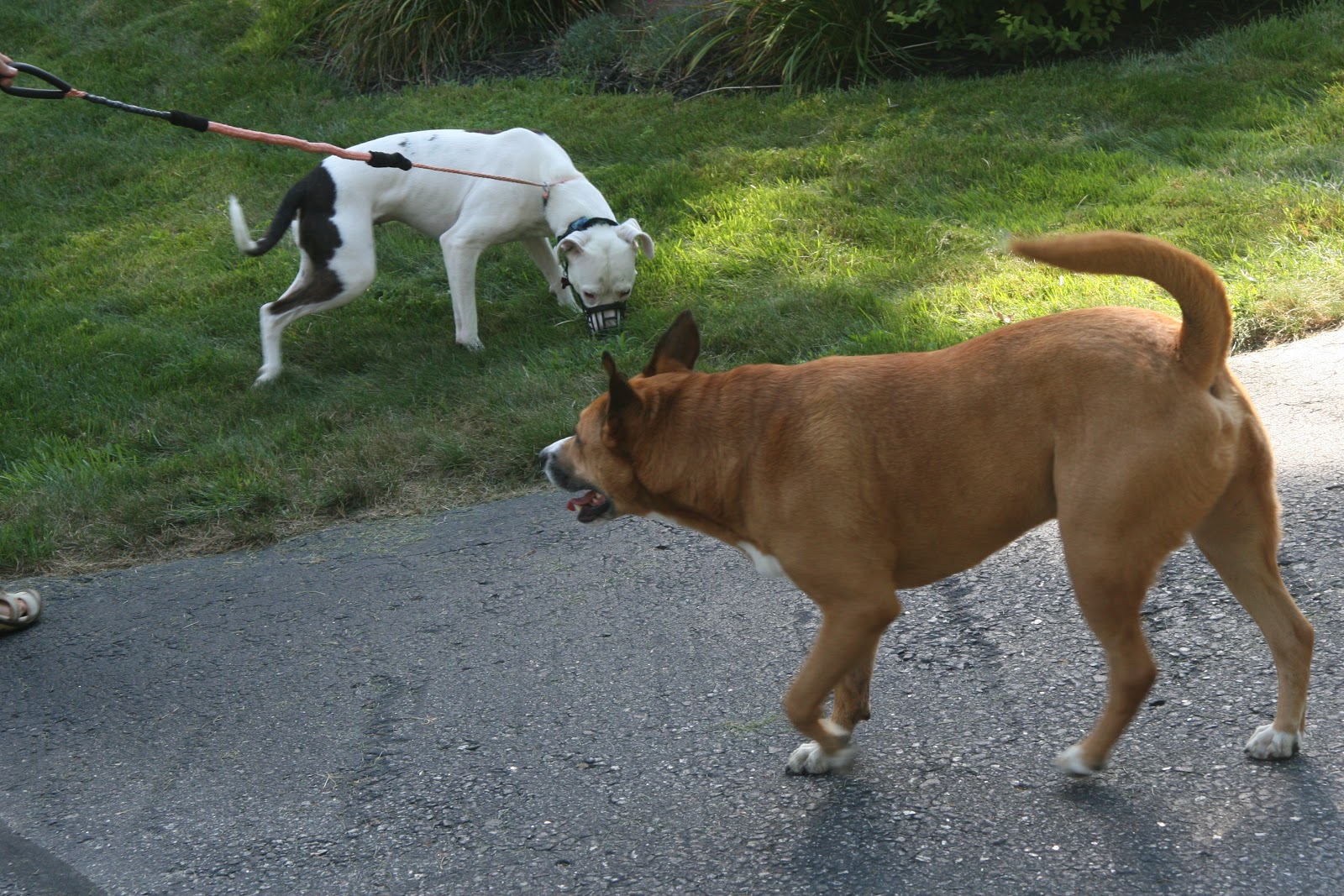
Bella is avoiding Pablo by sniffing in the grass.


As you can see from this photo taken a few weeks earlier, these two dogs having just met are not comfortable entering each other's space and therefore are demonstrating some avoidance.  Note Bella sniffing the grass and Pablo has a high tail and fairly stiff gate. This is the dogs way of keeping themselves safe, as neither dog invited the other dog into a friendly greeting, rather are clearly ignoring each other.
Bella greeting Buddy in a soft manner.


Here, you can clearly see how floppy Bella's body is in greeting Buddy.  Buddy began inviting her into his space by getting low and play bowing numerous times just after walking together for about 20 minutes. Their body's became soft, tails flat, joints soft with lots of movement, eyes were soft with no direct staring.   These two dogs played very well in a 50-50 manner having just met 30 minutes ago.

In summary, keep in mind that your dog will have an opinion about what he wants or needs to feel safe when faced with a new person, dog or environment.  Take it slow,  and practice understanding your dog when he is happy and relaxed and also when he is stressed or anxious.  Knowing how your dog is feeling will help you understand how to help him through situations when he needs you most!

Saturday, October 27, 2012

Dog Bites Mail Carrier

The human canine bond is incredibly special, and as canine lovers we bend all the rules to keep our own dog safe and out of trouble.  However, sometimes our dogs use their Hind Brain which controls their reactive, reflexive and poor impulse control which can get them into trouble.  If your dog is a thinking dog he is using his Front Brain more often and is more responsive, more conscious and has better impulse control.

Do you really know who your dog is?
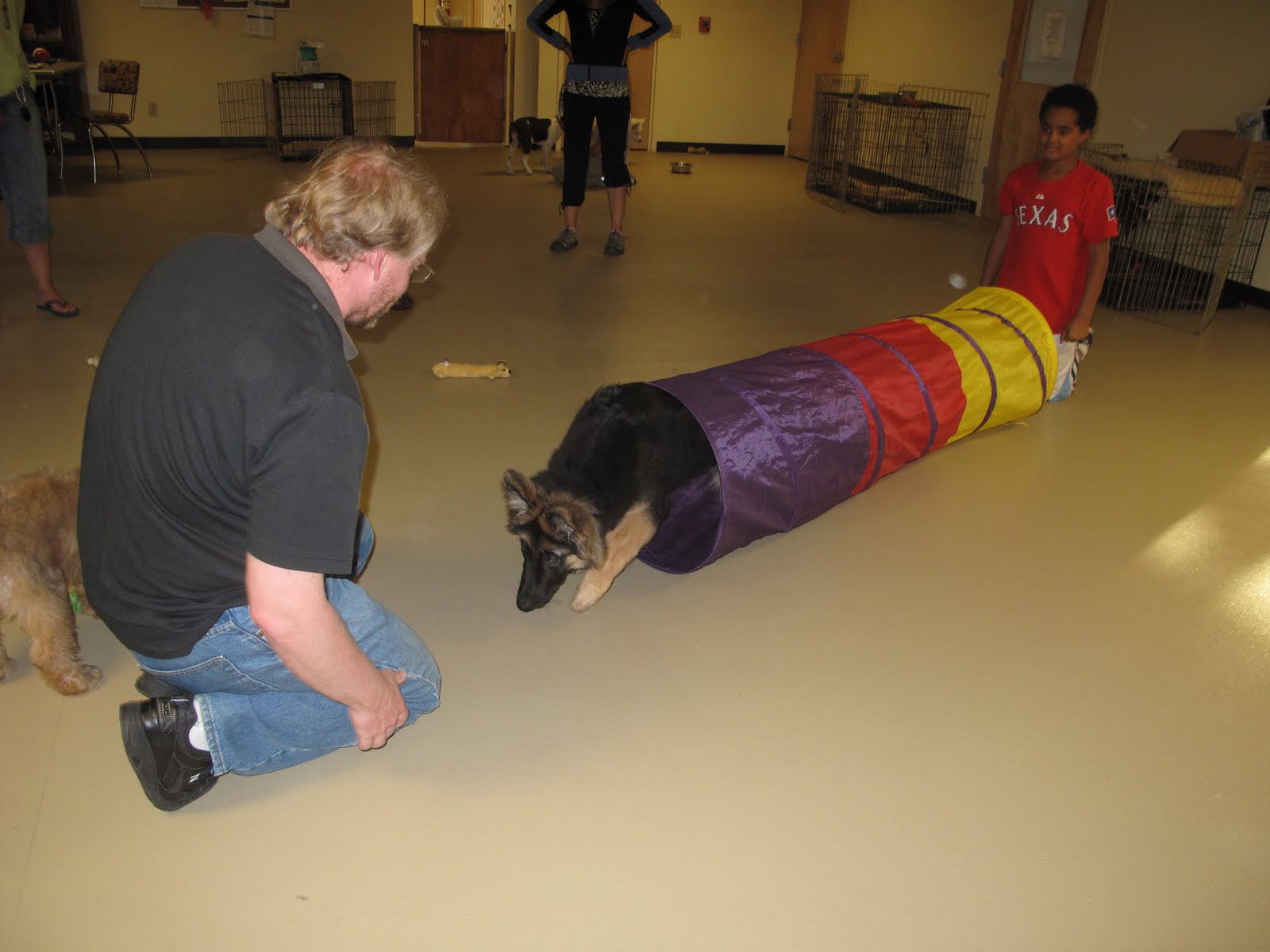
Starting pups in classes creates a thinking dog.
If today, you opened your front door and are startled to see the mail carrier, will your dog bark, lunge, attack or wiggle?  Do you know why he behaves this way?  Are you comfortable helping him behave differently?

Helping your dog be a thinking dog can be a real lifestyle change.  You can start by washing your dogs bowl and putting it in storage.  Hand feeding your dog his meals as rewards for good behavior each day for behaviors both in and outside the home will help your dog be thinking more often.  Enroll your dog in private training lessons, basic obedience, rally, agility or tracking class to help him become a thinking dog rather than a reactive dog.  If you are not sure what your dog can handle, get a professional evaluation to set you and your dog up for success.  Helping your dog see a stimuli, including the mail carrier and think before he reacts is as rewarding for you as it is the dog.

Setting your dog up for success and helping him be a thinking dog instead of a reacting dog takes patience, good timing and daily practice.  When you see your dog go through a "switch over" and begin using his thinking skills when he sees certain stimuli, then you will know who your dog is becoming!


Tuesday, October 9, 2012

Relationships

How connected are you to the ones you live with?  How important is the quality of those connections?

I am overwhelmed by the intense and loyal connections I have recently witnessed between human and pet.  The true connection and bond that exists is not something to be embarrassed about but rather discussed and shared.  It is those of us that look deep into our pets eyes, and truly understand that they need us and we need them, that are truly connected with our animals.

Understanding that a pet which is growling or snapping is asking for help.  They are often overwhelmed, over aroused or incredibly worried and doing only what they know that works for them.

Those of us who own and love a pet that loves only us, knows a true connection and will go to great lengths to keep them safe.  This connection is highly important, treasured and incredibly special.